
If you’re reading this page, you’ ve probably recently just cut caffeine out of your life and are currently experience the dreaded caffeine withdrawal symptoms! How did it get to this? As far as you knew, you were drinking a harmless cup of coffee every morning, and the one day you decide to give it up … and then it happens. The headaches, the fatigue, the aches, the itchy eyes, how can something so lovely turn out to be something so horrible!
How is it going for you right now? If you’ve read my previous post on “How to make the perfect cup of coffee with your Chemex” – you’ll know I love coffee. I bloody LOVE coffee. I started when I was about 7 when I would share my Dad’s cup of coffee. Back then it was instant – some might call, ‘weak’ coffee. Then the starbuck’s style coffee shops came along and I quickly graduated to the hard stuff, espressos. At university, it was still those days where it was uber cool to sit in a fancy starbucks and take up whole sofa for the day and spend £10 on the black stuff. Eventually, I realised I was drinking a lot of this stuff. I’d known it for a while, but starting a new job, piling on the pounds, and feeling generally unhealthy, made me quit.
That’s when I realised how addicted I was to it. The headaches were unbearable, the fatigue unlike anything I’d ever experienced before. I couldn’t function at work, everything in my mind became a fog – and honestly, I just couldn’t be arsed to do anything. I managed to do 4 days before having my first coffee. Going cold turkey was my first experience of what a Heroin addict must feel like in equal situations.
Obviously I didn’t stick to it and in no time I was back on the coffee (although in reduced amounts). I just love the taste so much.
The Symptoms
I’ve tried many times to give up caffeine (and by proxy coffee). Generally my caffeine  intake is this, 1 double shot espresso in the morning, and 2 to 3 cups of tea during the day. This is about 170mg a day. However if I work from home, it’s usually 4 cups of chemex coffee. Here are the common symptoms that always accompanied by me giving up:
| Symptom | Description |
|---|---|
| Fatigue | This one always happens. It's a fatigue which just knocks you off your feet. It's like your body has all of a sudden thinks you've not slept for a months and is now trying to catch up. The first day you quit caffeine, all you will want to do is to go to sleep. And if you do go to sleep, you will absolutely conk out. The fatigue is relentless and honestly, it never really went away from me. I'm currently into 1 week of not drinking coffee (I still drink tea) and I still get insanely tired during the day. I've not yet got to a point where I feel like I'm normal, but I hope it will happen this time! |
| Lack of concentration | If you have anything important planned during the caffeine withdrawal period, forgot it. Your brain is going to limbo land. A dense fog will descend upon your mind and not leave for a while. Your brain basically seems to stop caring about anything (apart from sleeping). You will be lethargic and you will have no desire to do anything! For me, these symptoms usually last about 4-5 days. I'm now one week in and my brain still feels a bit crappy, but usually you find that your mind thinks a little bit clearer over time |
| Headaches | These are horrible migraine like headaches! The first few days they are intense and they usually are worst behind the eyes. The combination of fatigue and headches contribute a lot to point 2, your head hurts so much, it becomes incredibly distracting and most people end up taking some painkillers for it. Painkillers thankfully do hurt. A week into my reduced caffeine period, the headache has become a dull pain, it's constant but I can tell it's starting to disappear. |
| Irritable eyes | I haven't read this on any other site, but my eyes became very heavy. If it touched them, it would be painful. The worst part was how they never seemed to open fully. I would have to physically pry my eyes open to get them to open properly. Also, they would become more watery than normally. I basically looked like I was squinting all the time! |
| Depression & Irritability | You basically stop caring about the would and things become un-important. Also, I noticed that because you have low energy you become a nightmare to live with. You stop wanting to go out, you get bored of people's conversations, you want to lie in bed all day and watch crappy TV shows. I always get really irritable and become a big moany bastard. It's really not nice and honestly, I'm sick and tired of it. |
| Flu like symptoms | Aches and Pains - Thankfully this one only happens when you first start. You'll feel like you have the flu, I had a runny nose and my muscles in my leg always hurt. The first two times I tried to give up caffeine, it always seemed to coincide with a cold, I thought I was just unlucky, but it seems like caffeine withdrawal may be the culprit here. |
The above symptoms are horrible. Honestly, there have been times when I’ve wanted to quit coffee and could never find the time when the effects above would not affect my work or relationship. So why bother? Why not just keep drinking coffee and not bother going through all of this?
The Science of Caffeine
I’m no scientist, but I am Indian and technically that makes me half a doctor and genetically I’m drawn to anything which is vaguely medical. First off, I’m of the opinion that anything which when you stop ‘doing it’ makes you feel physically worse and gives you symptoms similar to a heroin addict going cold turkey cannot be good for you. I don’t care what you say, that substance has altered your normal body chemistry and your body should function just fine without it. My girlfriend arugued that if you gave up water or food, you would equally be screwed, but food and water is essential for being ‘alive’. Caffeine isn’t.
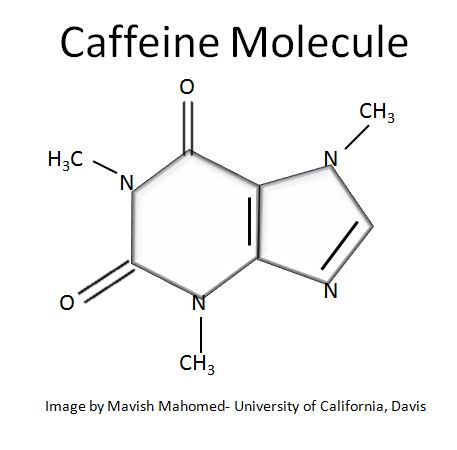 So how does caffeine work? Caffeine works in a number of ways. First, it stops your brain for registering a hormone which normally tells it to ‘slow down’ (more on this later). It also increases dopamine (which makes you feel happy) as well as acting as a vasoconstrictor. Not only this, it also increases adrenalin – which explains why you get that ‘on-edge’ feeling when you drink it. The sum total of these effects is that you don’t feel as sleepy, and you feel more alert and ready to do things. A warm cup of coffee after a boring meeting also makes me happy.
However, caffeine in small doses as a pick me up here and then is OK. As is everything in life. But when you continually have it everyday and in ever increasing amounts the caffeine will change your brain structure. Here’s how. Caffeine looks very very similar to a hormone called Adenosine. Your body releases this to effectively calm the neurones down so they don’t go crazy and keep firing at ever increasing rates. Adenosine is partly responsible for the sleepy feeling we get during the day. But it’s absolutely required and helps balance the neural activity in the brain.
Caffeine looks so similar to adenosine that it binds the the receptors that are looking out for them. However the key thing is that once caffeine binds to these receptors, it doesn’t produce the same effects as adenosine. When you drink coffee, caffeine stop the neurones from registering adenosine. Try drinking a double espresso at 9 in the evening and most people won’t be able to go sleep until 4 am in the morning. The reason for this is that caffeine has a half life of 6 hours, so at 9 pm, the sleep inducing adenosine can’t tell your brain to go to sleep, until finally at 3am, there’s enough free slots for the adenosine to slip in and finally send you to sleep.
Lets take a typical coffee drinker. He gets up and has his first drink. Mmmmm. He’s alert and rockin’. A few hours later, he has another coffee, and then another in the afternoon. During this time adenosine is being blocked in the brain. After a few weeks of this behaviour your brain is accutely aware that it’s not registering adenosine properly so manufactures more receptors. Your brain now becomes hyper-sensitive to adenosine. When you wake up in the morning, all the adensoine is absorbed very quickly and you feel drowsy. It’s only until you have your first cup of coffee that the receptors become blocked, and dopamine is released that you start to feel normal again.
Imagine this over years. Your brain now requires caffeine to be present to function normally, without caffeine, you feel drowsy, unable to ‘start’. Basically what’s happened now is that you need coffee to feel ‘normal’ again, not alert. To get that original ‘alert’ feeling you may have had when you first drank coffee, you would need to drink a lot.
When I walk to work, I see tons of people with lattes, flat whites etc and I just know that they are paying to feel normal. It’s so so easy to get to a position where coffee become normal, and I’ll be honest, It’s nice way to start the morning, a nice smooth hot cup of coffee. The question you have to ask is if you want to continue to be caffeine dependant. And to be honest, nobody has come up with a reason to disuade me that caffeine is fundamentally bad for you. Anybody who drinks a few cups of coffee a day doesn’t seem to be at any more risk of health problems than somebody who doesn’t.
So what’s my point? Personally for me, whenever I stop drinking coffee, I notice that my sleep dramatically improves and my mind becomes somewhat clearer. But, the benefits after a week or two seem to normalise and my sleep becomes a normal night’s sleep (rather than the deep sleep I was experiencing when I would first give up). There are blogs out there of people proclaiming that the effects of giving up caffiene dramatically changed their life, but for me, (after the symptoms disappeared) the change in my life was just a little better.
My view is that cutting caffeine slowly out of your life is a good thing, but having a few cups during the week is probably not a bad thing. My ultimate goal is to be able to miss a day without feeling terribly effected, but also to be able to enjoy the wonderful taste of coffee without feeling guilty.
How was your experience?